
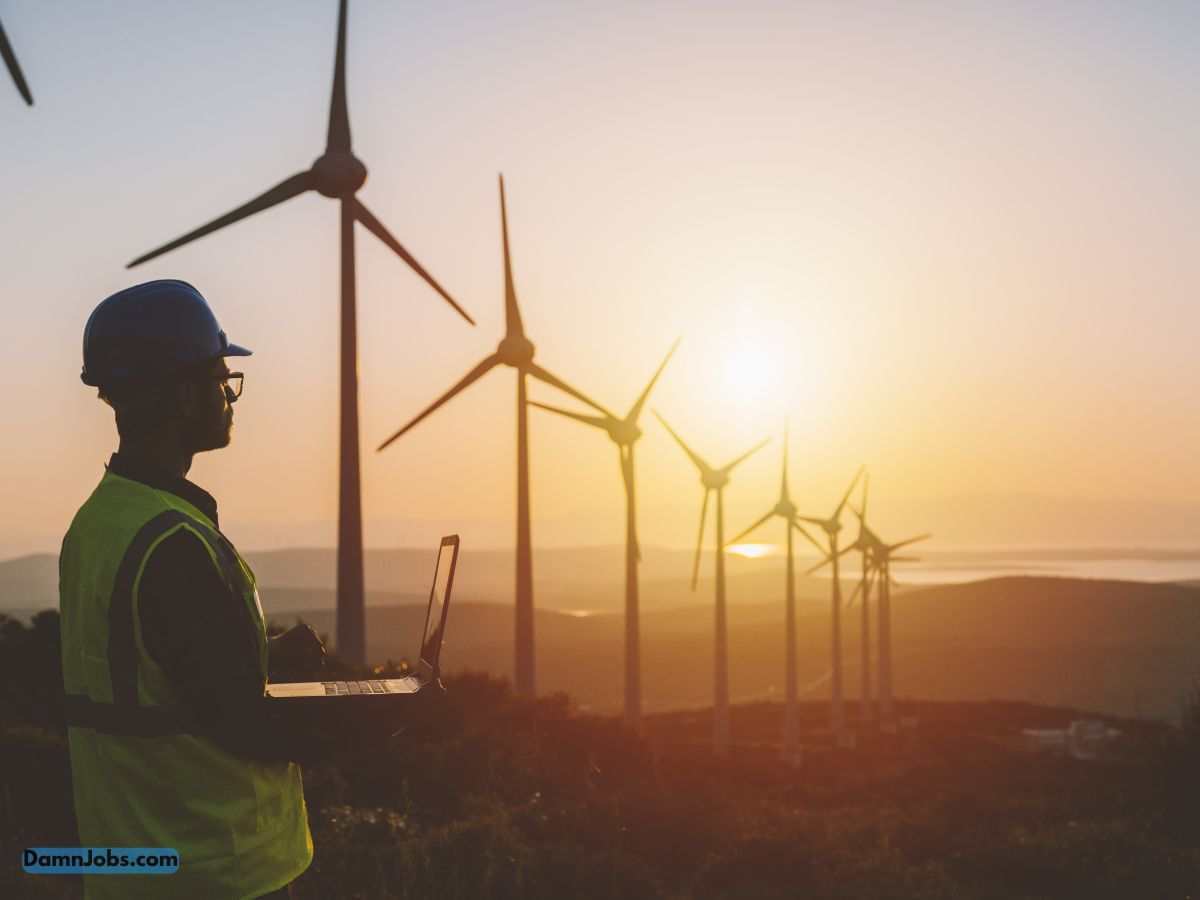
“Energy jobs” does not mean one kind of paycheck. The person maintaining a wind turbine, the electrician connecting equipment, and the lineworker restoring power all do different work—and the pay reflects the risks, training and responsibilities.
The numbers: six U.S. energy-related occupations
| Role | National median annual pay (May 2025) | Typical entry route |
|---|---|---|
| Electrical power-line installer/repairer | $95,320 | High school diploma; substantial technical/on-the-job training, often apprenticeship |
| Electrical/electronics installer and repairer | $74,490 | Technical training varies by specialty |
| Wind turbine service technician | $64,120 | Postsecondary nondegree training commonly required |
| Electrician | $63,190 | Apprenticeship; state licensing often required |
| Solar photovoltaic installer | $53,140 | High school diploma; on-the-job training |
| Industrial machinery mechanic / maintenance worker / millwright (group) | $64,100 | High school diploma, training or apprenticeship depending on path |
These are U.S. occupational medians, not starting salaries or guaranteed offers. The latest occupational profiles available here report May 2025 pay. Their industry coverage also differs, so not every worker in these occupations works for an energy company. Sources: BLS lineworkers, wind technicians, solar installers, electricians and industrial mechanics.
The biggest pay difference is not always the job title
Compare overtime, overnight call-outs, travel requirements, apprenticeship wages, union contracts, licensing costs, and time away from home. A lineworker may earn more but may be on storm-restoration duty, working at height and around high-voltage hazards. A solar installer may enter faster, but the work can involve roofs and heat.
Prefer computers to climbing towers?
Search utility billing specialist, energy procurement analyst, work order coordinator, grid operations assistant, and renewable project administrator. These are useful search terms, not a promise that every opening is remote or pays like a field trade.
Three applications I would prioritize as a beginner
- For hands-on work: “electrician apprentice” plus your city or state apprenticeship registry.
- For equipment work: “industrial maintenance trainee” or “wind technician trainee” with safety training noted.
- For office experience: “utility customer service” or “field service coordinator” with scheduling/Excel skills.
Use the jobs hiring hub to find direct employer pages, and resume help if you need to translate military, warehouse, or retail experience into maintenance/operations language.