
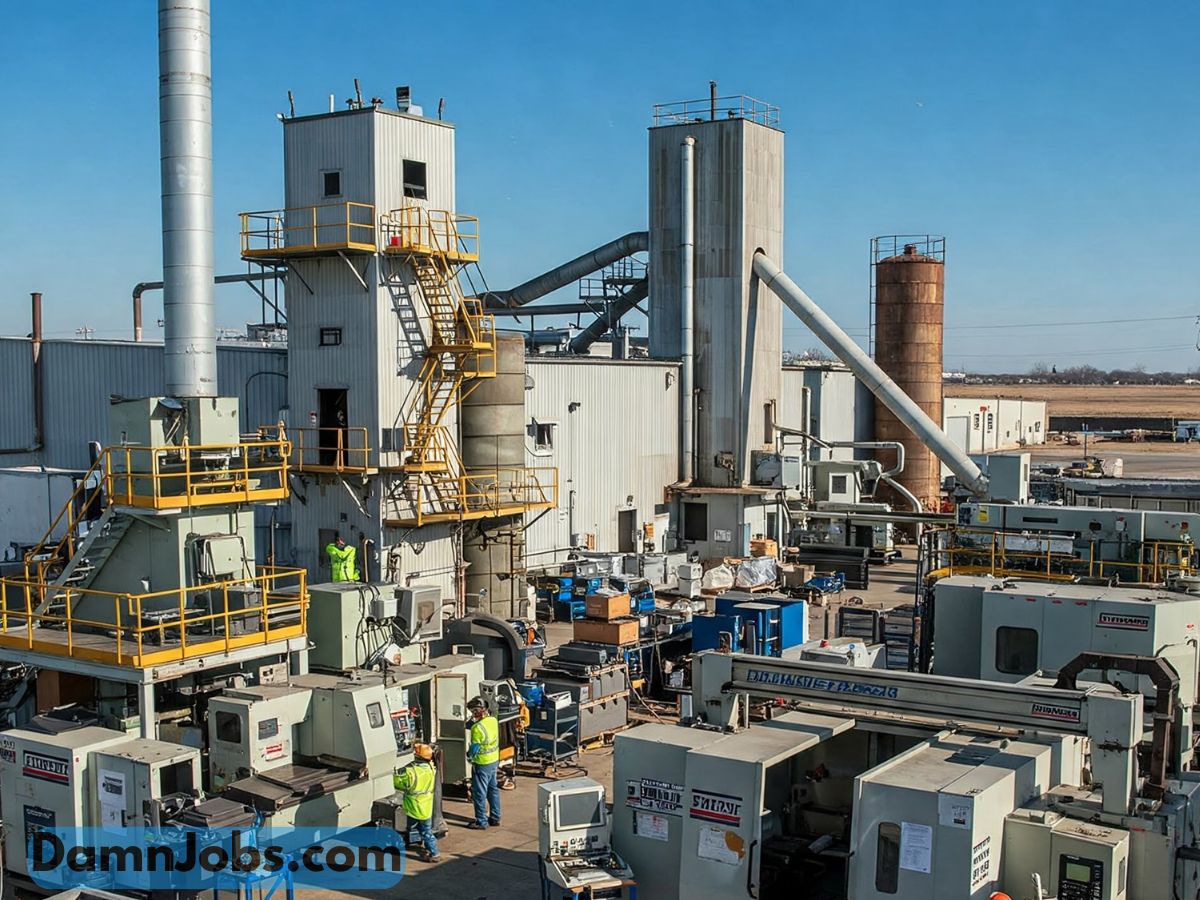
“Basic industries” usually means the businesses producing raw materials and foundational goods: mining, agriculture, chemicals, metals, paper, lumber and related manufacturing. It is not a single pay category. A maintenance mechanic at a mill and a seasonal farm laborer are both part of the broader production economy, but their wages and schedules can be very different.
Examples with verified pay—not invented industry averages
| Job type | National median annual pay (May 2025) | Typical day |
|---|---|---|
| Industrial machinery mechanics / millwrights (occupation group) | $64,100 | Fixing conveyors, pumps and factory equipment |
| Electricians | $63,190 | Installing/repairing electrical systems on worksites |
| Water/wastewater treatment operators | $60,020 | Monitoring and maintaining treatment systems |
| Solar PV installers | $53,140 | Installing and maintaining solar equipment |
The jobs above are examples of occupations that may work in foundational or infrastructure industries; they are not a comprehensive “basic industries salary” index. BLS sources: industrial maintenance, electricians and water operators.
What changes take-home pay
- Shift premium: a night shift may pay differently, but the shift can disrupt family routines.
- Overtime: regular overtime can raise annual earnings, but might not be guaranteed.
- Location: a remote mine, coastal plant or rural mill may have different labor costs.
- Training: apprentices and trainees usually start below fully qualified medians.
- Risk: confined spaces, heavy machinery, chemicals and outdoor conditions require proper safety protections.
Choose a starting role you can actually qualify for
For a warehouse worker with mechanical curiosity, search maintenance trainee, production operator or quality inspector trainee. For an office worker, try materials coordinator, inventory control clerk or purchasing assistant. For someone willing to train, look for a registered apprenticeship rather than paying blindly for a certificate.
A better offer comparison
If one job pays $25 per hour for 40 steady hours and another advertises $30 but provides only 25 hours a week, the headline rate is misleading. Compare guaranteed hours, commute, benefits, paid leave, training costs and predictable overtime. Ask whether production shutdowns lead to temporary layoffs.
Explore the related blue-collar career guide and the local job search guide. For training, use the official Apprenticeship.gov career seeker page to learn how apprenticeships work.