
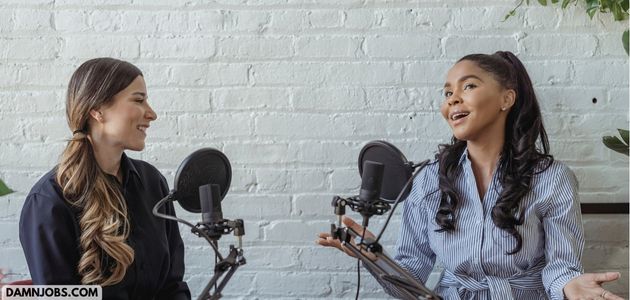
How to Get a Job in Radio With No Experience
Getting a job in radio can feel out of reach when you do not have experience yet. Many people imagine radio jobs require years behind a microphone, a broadcasting degree, or industry connections.
The truth is, there are still ways to break into radio if you are willing to start small, build skills, network, volunteer, intern, and show that you can help a station create strong content or support daily operations.
Radio work can include on-air hosting, production, audio editing, promotions, sales, news, social media, podcast support, engineering, and behind-the-scenes station operations.
The U.S. Bureau of Labor Statistics provides career information for media and communication occupations, including announcers and broadcast roles. Explore BLS media and communication careers.
The Benefits of Working in Radio
Radio can be a rewarding career path for people who enjoy communication, music, storytelling, audio production, local news, events, or community engagement.
Working in radio can help you build skills in:
- Public speaking
- Audio editing
- Writing scripts
- Interviewing guests
- Social media promotion
- Event support
- Sales and advertising
- Content planning
- Podcasting and digital media
Radio can also give you a strong foundation for other media careers, including podcasting, YouTube production, voiceover, journalism, marketing, audio engineering, and content creation.
If you are also interested in marketing or media work, read how to master marketing and build a stronger marketing career.
Different Types of Radio Jobs
Radio is not only about being the person on the microphone. Stations need many different people to keep shows, promotions, ads, and technical systems running.
Common radio jobs include:
- Radio host: Creates and hosts shows, interviews guests, introduces segments, and keeps listeners engaged.
- DJ or music programmer: Helps choose music, plan playlists, and support the station’s sound and audience.
- Audio engineer: Handles microphones, mixers, recording equipment, audio quality, and technical production.
- News anchor or reporter: Writes and delivers news updates, interviews sources, and covers local stories.
- Producer: Plans show segments, books guests, organizes audio, supports hosts, and keeps the show moving.
- Promotions assistant: Helps with station events, contests, giveaways, community appearances, and local marketing.
- Sales assistant or account executive: Works with advertisers, sponsors, and local businesses.
- Social media or digital content assistant: Helps turn radio content into clips, posts, reels, newsletters, or podcast episodes.
The Federal Communications Commission provides information about radio broadcasting and station regulation in the United States. Read FCC information about radio broadcasting.
How to Get a Job in Radio With No Experience
If you have no radio experience, your goal is to prove that you are useful, reliable, creative, and willing to learn.
Start with these steps:
- Research local stations: Look at AM, FM, public radio, college radio, online radio, and community stations in your area.
- Study different roles: Learn the difference between on-air, production, sales, promotions, engineering, and digital roles.
- Build basic audio skills: Practice recording, editing, writing scripts, and speaking clearly.
- Create samples: Make a short demo reel, sample podcast intro, mock news update, or audio clip.
- Volunteer or intern: Local and college stations may offer volunteer or internship opportunities.
- Apply for entry-level roles: Promotions assistant, board operator, production assistant, sales assistant, and intern roles can be good starting points.
- Network with people in radio: Build relationships with hosts, producers, engineers, and station managers.
If you are applying without much experience, read how to apply for a job without experience.
Start With Research
Before applying, learn how the radio industry works. Listen to different stations, study show formats, follow local radio personalities, and pay attention to what happens between songs, interviews, ads, contests, and news breaks.
You can also research radio roles through industry groups, station websites, media job boards, and career profiles.
The National Association of Broadcasters shares industry information, advocacy, and resources for broadcasters. Visit the National Association of Broadcasters.
Research helps you understand what type of role fits you best. If you love talking and storytelling, on-air work may interest you. If you like editing and technical work, production or audio engineering may fit better. If you enjoy people and events, promotions or sales may be a good entry point.
Related Reads
Gain Experience Before You Get Hired
If you cannot get a paid radio job right away, build experience another way.
You can:
- Volunteer at a local or community station
- Apply for a college radio role
- Create a small podcast
- Record mock radio segments
- Practice editing audio clips
- Help a local business record ads or voiceovers
- Make short social media clips from audio content
- Intern with a station, media company, or podcast team
Internships can be especially useful if you are new. Related: the insider’s guide to scoring an internship.
NPR’s careers page is one example of how large media organizations list internships, jobs, and early-career opportunities. Explore NPR careers and internship information.
Build a Simple Radio Portfolio
A portfolio can help you stand out when you do not have paid radio experience yet.
Your portfolio can include:
- A 60-second voice demo
- A sample podcast intro
- A mock news update
- A sample interview clip
- A short audio ad you wrote and recorded
- A playlist concept or show idea
- A social media content sample for a radio show
You do not need expensive equipment to start. A quiet room, basic microphone, free editing software, and clean writing can help you create simple samples.
Network With People in Radio
Networking is important in radio because many opportunities come through relationships, referrals, internships, and local connections.
You can network by:
- Following local radio hosts and producers
- Attending station events
- Messaging professionals politely on LinkedIn
- Joining media or broadcasting groups
- Volunteering at community events
- Asking for informational conversations
- Staying in touch after you meet someone
LinkedIn explains that building a professional network can support job searching and career development. Read LinkedIn’s guidance on building your network.
If networking feels awkward, start with 10 ways to build professional relationships that help your career grow.
Entry-Level Radio Jobs to Look For
If you have no experience, look for roles that are more beginner-friendly. You may not start as the main host right away, but you can still get into the building and learn.
Search for job titles like:
- Promotions assistant
- Street team member
- Board operator
- Production assistant
- Intern
- Sales assistant
- Social media assistant
- Podcast assistant
- Newsroom assistant
- Audio editor trainee
If you want help with the basic job-search process, read 5 simple tips to help you find a job.
Customize Your Resume and Cover Letter
When applying for radio jobs, your resume should show communication, reliability, creativity, writing, editing, customer service, social media, event support, technical skills, or sales experience.
Even if you have never worked in radio, you may have transferable skills from school, volunteering, retail, customer service, social media, public speaking, podcasting, video editing, or community work.
Before applying, use the DamnJobs Resume and Job Description Comparison Tool to compare your resume with the radio job description.
If your resume needs help, check out the DamnJobs Resume Writing Service.
Tips for Success in the Radio Industry
- Keep learning: Practice audio editing, interviewing, script writing, and digital content skills.
- Be reliable: Radio runs on timing. Show up, follow instructions, and meet deadlines.
- Stay creative: Bring ideas for segments, promos, social clips, interviews, or community stories.
- Be willing to start small: Promotions, street team, or production assistant roles can lead to better opportunities.
- Learn digital media: Radio stations often need help with podcasts, social media, short videos, newsletters, and websites.
- Build relationships: Stay professional and keep in touch with people you meet.
Final Thoughts
You can get a job in radio with no experience, but you may need to start behind the scenes first. Volunteer, intern, build samples, network, and apply for entry-level roles that help you learn the business.
Radio is no longer only about the broadcast booth. Today, radio connects with podcasts, social media, video, events, advertising, and digital content. If you build useful skills, you can give stations more reasons to take a chance on you.
Helpful DamnJobs Resources
If you want to break into radio or media, start with experience, networking, and a resume that shows transferable skills.